What actually happens between booking a Botox consultation and showing up for a touch-up visit weeks later? The short answer, a careful sequence of assessment, precision dosing, well-placed micro-injections, and follow-up habits that shape both the results you see and how long they last.
Why Botox works the way it does
Botulinum toxin type A acts as a neuromodulator. It blocks nerve signals that tell specific muscles to contract, which softens creases formed by repetitive movement. That is the core of botox aesthetic treatment. The art lies in choosing which muscles to relax, how much to dose, and how to preserve Warren MI botox services natural expression. You can use it for traditional botox facial injections in the upper face, but modern botox rejuvenation therapy often extends into the lower face, jawline, neck, scalp, and even underarms or palms for excessive sweating.
When you hear terms like micro botox or soft botox, think lower-concentration dosing spread across a larger area for a fine veneer of smoothing and a subtle glow, rather than dramatic freezing. These approaches lean into botox microdosing to reduce pore look, tamp down oil, and refine texture, often described as a botox glow treatment. It is not a filler and does not plump tissue. Instead, it is a muscle relaxant that modulates movement. In the right hands, it can act like a botox wrinkle smoother while also supporting skin quality indirectly, especially when paired with skincare.
A consult that actually counts
A proper consultation is half of the result. I block 30 to 45 minutes for a first-time client. We review medical history, medications, prior cosmetic procedures, and any history of neuromodulator resistance. Photos help set a baseline. Then I map movement. I ask you to frown, raise your eyebrows, smile, purse your lips, clench your jaw, and tilt your chin to engage the platysmal bands. I watch for asymmetry, dominant muscles, and dynamic lines that etch into static creases.
We talk through goals in plain terms. Some want to look less tired, others want precise botox forehead smoothing or a very specific botox eye lift. A client with a wide jawline from clenching often asks about botox masseter slimming. Another might ask about botox for tension headaches or botox for migraines prevention. Each intention changes the plan. If someone wants a soft, natural enhancement, I may suggest light botox injections with a gradual buildup. If a client has heavy brows, I warn that too much in the frontalis can drop the brow. That is where a nuanced approach to botox upper face treatment becomes crucial.
For the lower face, I set expectations carefully. Botox helps with a gummy smile, chin dimpling, downturned corners, and neck bands, but it does not correct volume loss or deep folds like the nasolabial folds on its own. Sometimes a botox filler combination makes sense, especially for marionette shadows or cheek support. Combining botox and fillers requires timing and a plan, often botox first for muscle balance, then fillers 1 to 2 weeks later when movement patterns have settled.
A realistic map of treatment areas
Upper face work is the classic entry point. The glabella (the frown groove between the brows) is the most common, followed by the forehead and crow’s feet. A standard botox cosmetic procedure in those regions can use 10 to 40 units spread over several injection points. The goal is smoothness with retained expression. For clients worried about a flat look, I anchor dose in the strongest muscle zones and leave small corridors of movement. This approach preserves lift when you smile or raise your brows.
Around the eyes, botox for eye wrinkles softens squint lines and can create a gentle eye lift by relaxing lateral orbicularis fibers. On candidates with hooding or droopy lids, I place dose cautiously, avoiding additional brow depressor over-relaxation. Tiny units near the tail of the brow can offer modest elevation. If someone is already dealing with heavy lids, I might recommend a conservative plan or refer to an oculoplastic surgeon for surgical assessment. A botox eye lift is subtle and depends on your anatomy.
Lower face treatment needs even more restraint. Botox for smile lines around mouth, when used at all, typically targets the depressor anguli oris to soften downturned corners rather than lining the lips, where products like filler or laser may do better. Micro dosing can relax a gummy smile by treating the levator muscles of the upper lip. For chin texture and orange peel dimpling, a few units into the mentalis smooths the skin and helps with botox facial contouring around the chin. For the neck, botox for platysmal bands reduces banding and can modestly refine the jawline, often called the “Nefertiti” strategy when combined with treatment along the jaw border. True botox for double chin is a misnomer, since fat under the chin requires other modalities, but neuromodulator can adjust platysmal pull to visually lift the area.
Masseter therapy has its own rules. Botox for clenching jaw, teeth grinding, TMJ discomfort, or bruxism typically needs more units and deeper injections. Results build over 2 to 3 sessions and can slim a square jaw over months by reducing muscle bulk. Patients who chew gum constantly or lift weights with jaw clenching may need maintenance earlier than average.
Outside the face, botox medical treatment extends to hyperhidrosis. Botox for excessive sweating in underarms, palms, feet, or scalp uses micro injections across a grid. For individuals whose hair goes limp from sweat within hours, botox scalp injections can help reduce scalp sweating and improve comfort. Some also report fewer tension headaches after scalp therapy, though I frame this as a comfort improvement rather than a guarantee.
On migraines and head pain, botox migraine treatment follows a standardized protocol across head and neck zones at higher total units. For botox for head pain or botox for tension headaches, I counsel that relief is likely but not universal, and full impact may require repeated sessions.
Technique, dose, and the feel of the appointment
You will likely arrive with a clean face and no makeup. Photos are taken. We review consent and contraindications. I mark points with a white or purple pencil while you animate the muscles. If we are trying advanced botox techniques like micro botox for pore look or soft botox for a sheen-like effect, I dilute differently and set a more superficial injection depth.
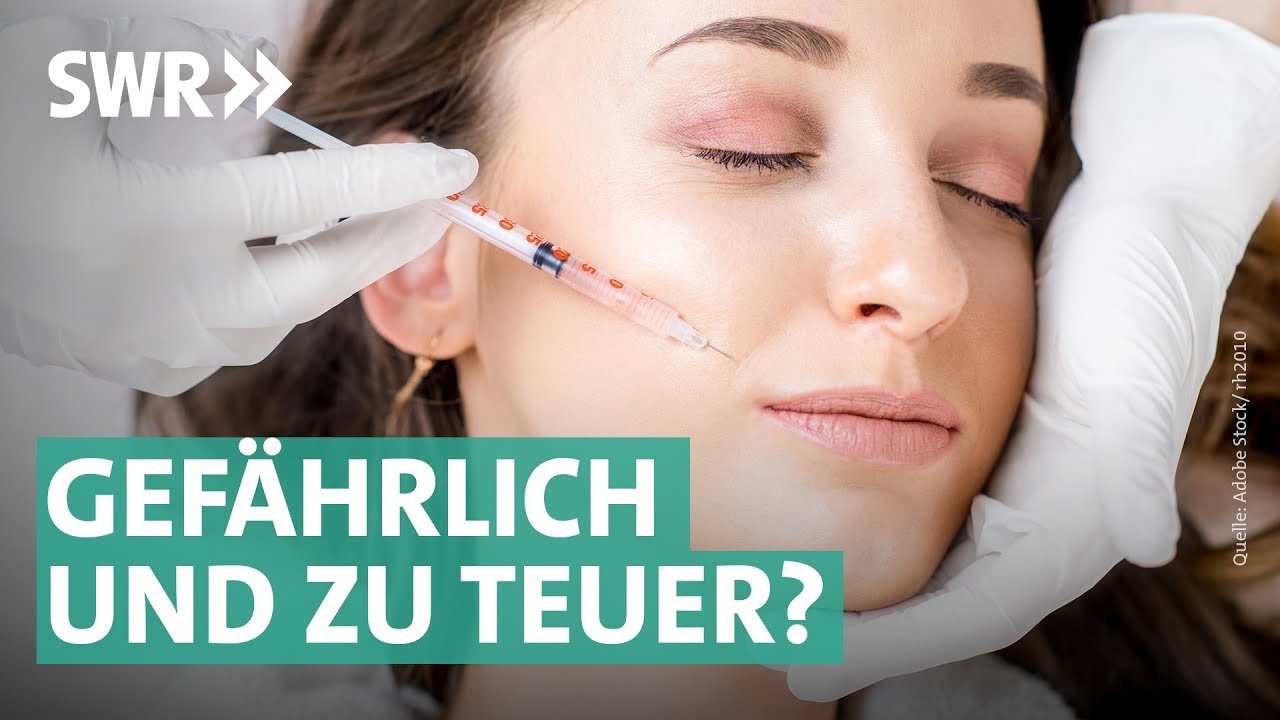
The injections feel like quick pinches. Most clients rate discomfort as 2 to 4 out of 10, and it moves fast. The entire botox injection process for a straightforward upper face plan might be 10 to 15 minutes after mapping. A more complex session that spans a botox facial lift, lower face balancing, and platysmal bands can take 20 to 30 minutes. For botox scalp rejuvenation or hyperhidrosis, plan for a longer grid and more points, so the botox session duration stretches accordingly.
A common question is how many units you need. It varies widely. I give clients ranges rather than promises. A light sprinkle for botox wrinkle prevention in a younger forehead might be 6 to 10 units. A full correction of a strong frown can be 20 to 25 units in the glabella alone. Crow’s feet may take 4 to 12 units per side. Masseter therapy might start at 20 to 30 units per side and step up based on function and safety. Hyperhidrosis dosing often lands between 50 and 100 units per side depending on the area. It is a conversation about budget, goals, and safety.
Safety, side effects, and how experts avoid problems
A safe botox injection is about anatomy, dose, and technique. Bruising is the most common minor issue. Small surface bumps resolve in minutes. Headaches can occur for a day or two. Temporary eyelid droop is rare and avoidable with caution around the levator zone. It usually improves within weeks if it happens. The best defense is a qualified botox specialist who has treated hundreds or thousands of faces, and a patient who follows aftercare.
I advise no heavy workouts, saunas, or facials for the rest of the day. Avoid pressing or massaging injected sites unless we are treating a very specific muscular band that benefits from gentle manipulation. Sleep on your back the first night if possible. Alcohol and blood-thinning supplements can increase bruising. Mild bumps or small bruises are common and fade. If something feels off, send a picture or come in. An expert botox injector would rather see you early than hear later that a tweak was needed.
The micro side of Botox, and what it does for skin
Micro botox, soft botox, botox micro treatment, or botox microdosing refers to treating more superficially in diluted form, scattering minute units over a wider field. It is not botox skin tightening in the way a device tightens collagen, but it can create a smoother texture and smaller-looking pores by quieting the contribution of superficial muscle fibers and reducing sebum in oily zones. When clients ask about botox for pore reduction or botox for enlarged pores, I set expectations, you get refinement, not Photoshop.
Anecdotally, those with sebaceous-rich T-zones notice less midday shine with botox for oily skin. Rosacea patients sometimes report less flushing from micro patterns, though this is variable. For botox for rosacea, I emphasize it is a supportive tool, not a cure. The terms botox glow treatment and botox hydration boost are often used in marketing to describe a dewy, refined effect that comes from less movement and oil rather than literal water retention.
For acne scars, neuromodulator has a role only in select cases where dynamic movement folds a scar in on itself. Otherwise, laser, microneedling with radiofrequency, or subcision is the mainstay. I might add small units to reduce chin tension if puckering worsens scarring. The theme is targeted, custom botox injections for specific functional issues, paired with the right resurfacing strategy.
Matching the plan to your face, not your friend’s
Every face has a pattern. A high-arched brow with long frontalis muscle behaves differently than a short, heavy brow. The left smile may be stronger than the right. Masseter bulk might be muscle in one person and simply bone angle in another, which matters for botox facial slimming. When someone asks for botox for square jaw or botox for asymmetrical face, I measure angles, palpate the muscle, and sometimes order a photo series in various lighting to confirm. Only then do I discuss botox for wide jawline or masseter slimming as suitable.
If a patient has prominent nasolabial folds, I check cheek support, dental bite, and nasal base. Botox for nasolabial folds is not a direct fix. It can slightly affect the fold by shaping adjacent muscles, but filler or thread-based options might do more. For marionette lines, we can lift the oral commissures by treating the depressor muscles, then use a tiny filler line to stabilize. That is where botox contouring meets volumization. The same thinking guides botox for facial balance, for instance relaxing the chin and DAO on one side to match the other.
What to expect between the chair and the mirror
On day one, you might see red dots that fade fast. Results begin slowly, often within 48 to 72 hours. Peak effect arrives around day 10 to 14. For masseters or platysmal bands, the timeline feels longer, because muscle atrophy and remodeling add to the effect over weeks. I schedule a check-in around two weeks for facial work and at 4 to 6 weeks for masseters or medical plans like botox for migraines prevention.
The botox treatment results you feel first might be less frowning or an easier forehead. For a professional who speaks on stage, I sometimes leave more movement to preserve a lively expression, because botox for confident appearance is about presence, not stillness. For those in front of cameras with hard lighting, precision botox and micro dosing along fine lines may prevent hot spots of shine and squint lines without a frozen look. Long term botox benefits include training out certain repetitive habits, which can mean you need less over time.
Aftercare that actually matters
Simple habits after injections influence both safety and longevity. Let the product settle for the first few hours. Skip intense workouts, saunas, and alcohol until the next day. For 24 hours, avoid facials or devices on the treated zones. Use a gentle cleanser and your usual moisturizer that night. If you get a bruise, a dab of arnica or a color corrector is fine the next day. If you have an event coming up, plan your botox cosmetic enhancement at least two weeks prior to give time for the full botox smoothing effect and any touch-ups.
For those combining botox with dermal fillers, spacing is strategic. I prefer neuromodulator first, review at two weeks, then add filler to a stable, quiet platform if needed. This reduces the risk of overfilling a face that later relaxes. An integrated botox and skincare routine helps maintain results, think daily sunscreen, a retinoid at night if you tolerate it, and antioxidants in the morning. Skincare cannot replace muscle modulation, but it improves surface quality so the botox skin rejuvenation reads as polished rather than shiny.
Touch-ups, maintenance, and when to step back
Most clients return every 3 to 4 months. Athletic clients or those with fast metabolisms often say their botox smoothing results soften by week 10. Light dosing for botox subtle enhancement may fade sooner because we intentionally used less. For masseters, I re-dose at 3 to 6 months depending on goals, then stretch intervals as the muscle trims down. A good botox maintenance plan accounts for lifestyle, event schedules, and budget. Some prefer a steady quarterly routine care. Others book twice a year and accept a softer look in between.
Not every result needs a touch-up. If a brow is slightly heavy, adding more is the wrong move. Sometimes we wait for a partial fade botox MI or adjust the antagonist muscle. Professional botox service means editing, not just injecting. For a patient who wants more lift in the tail of the brow, I may nudge lateral dose at the two-week visit. For a gummy smile, I might add a single unit. This is the craft part of botox injection details, small changes with outsized effects.
Medical uses worth knowing
Beyond beauty, botox therapeutic use spans several conditions. For botox for bruxism or TMJ symptoms, I set realistic expectations. It reduces clenching force, often lowers morning jaw tightness, and may ease headaches from muscle tension. It does not treat joint derangement or arthritis. We sometimes coordinate with a dentist for a night guard. For botox for excessive sweating, axillary treatments can keep shirts dry for 4 to 6 months. Palms sweating responds well but can be more sensitive during injections. Feet sweating improves daily comfort for those in dress shoes or athletes in cleats. Scalp sweating reduction helps under helmets and during presentations under stage lighting.
For patients with chronic migraine, the standardized medical protocol delivers units across several sites from the forehead to the neck. It is a different visit than a cosmetic one. I separate the two when possible, focusing cosmetic work on expression balance while the medical plan targets nerve pathways. Some patients see a reduction in migraine days after the second or third cycle. It is an investment in consistency rather than a single-session fix.
Myths, marketing, and what not to chase
Botox is not filler and cannot lift sagging skin the way a surgical lift or deep filler can. It is not a direct botox skin tightening tool, though skin can read smoother when muscles relax. The idea of botox for double chin is mostly marketing. True fat reduction requires deoxycholic acid injections, liposuction, or energy devices. Botox for nasolabial folds does little on its own, since those folds are a volume and ligament story.
Another myth, more is always better. Overdosing the forehead to eliminate every line often creates a heavy, flat look that can age a face. The better path is a controlled plan with room for micro-expression. Advanced botox techniques prioritize placement and balance rather than brute strength. Modern botox therapy leans lighter, faster, and more customized, which is why seasoned clinicians talk about units and vectors rather than blanket numbers.
How to choose the right provider
Credentials matter. A certified botox provider with medical training and a deep understanding of anatomical variation is non-negotiable. Experience counts even more than marketing photos. Ask how many faces they treat weekly, what their approach is to botox wrinkle prevention in younger patients, and how they handle asymmetry. An expert botox injector will welcome your questions and discuss risks, not brush them aside.
The clinic should feel clinical, not improvised. Sterile needles, proper storage, fresh vials, and documented lot numbers are basic standards. A professional botox service also means honest guidance. If you ask for botox for marionette lines and your provider recommends a small filler instead, that is a sign they are thinking about the outcome, not the upsell. If you want botox for facial relaxation to soften a tense look, expect them to evaluate your jaw and neck too, since those muscles often drive the feeling of tightness in the face.
A sample timeline from first visit to touch-up
Here is how a straightforward plan usually unfolds, using a client seeking botox upper face treatment with light lower face balancing.
- Consultation and mapping, photos, plan agreement, and dosing choices are set. If combining botox and fillers, we schedule the filler one to two weeks later. Injections are completed the same day, a few minutes of pinpricks, minor redness, and you are on your way with clear aftercare. Subtle changes appear within two to three days. By day 10 to 14, the full botox smoothing effect shows. If a tweak is needed, we add a unit or two in targeted spots. If fillers are part of the plan, they occur after the two-week review, when muscle relaxation is stable and facial balance is simpler to judge. Maintenance arrives in three to four months for most. For masseters or hyperhidrosis, intervals might be longer once baseline function improves.
When Botox plays well with others
The best results come from thoughtful combinations. A small brow lift from neuromodulator, plus a touch of filler in the lateral cheek, can create a botox facial lift without a facelift. Microneedling with radiofrequency plus soft botox in the T-zone refines texture and reduces oil for those seeking botox for glowing skin. A retinoid can enhance collagen over time, helping botox anti wrinkle therapy look more natural because the skin itself is stronger.
For neck concerns, botox for neck rejuvenation tackles banding and pull, but crepey skin usually needs energy-based tightening or bio-stimulating injectables. A careful provider will explain which modality meets which need rather than promising one product solves all. For someone with asymmetric smiles, botox for facial balance can be transformative with only a few units in the overactive side, a small change with a big daily impact.
Edge cases and judgment calls
Two groups require special planning. First, heavy-browed or hooded-eye patients. Aggressive forehead dosing can worsen droop. I often under-treat the frontalis, prioritize glabellar relaxation for tension, and consider a tiny lift at the tail of the brow only if safe. Second, hypermobile foreheads in expressive professions. They need a precise pattern that preserves emotive lift. That is where precision botox and custom maps shine.
Other nuances show up with athletes and frequent sauna users who metabolize faster, and with those on certain medications that alter bruising risk. People who need botox for palms sweating may require topical anesthetic or vibration devices to make the session comfortable. In migraine protocols, I chart headache days each month to track real improvement rather than guessing.
Costs, longevity, and value over time
Pricing varies by region, injector experience, and whether you pay per unit or area. I prefer per unit for transparency. Most upper face plans for first-timers land within a range that reflects both dose and complexity. Maintenance costs generally drop if we adopt a botox routine care schedule and learn your exact response. The phrase long term botox benefits is real, not just marketing. With consistent timing, lines stop etching deeper, tension habits ease, and adjustments get smaller.
The touch-up that makes it look effortless
Two weeks after injection is the sweet spot for fine tuning. If one eyebrow peaks more than the other, a unit or two in the stronger side evens it out. If the crow’s feet need a breath more softness, we add a tiny dose. If the smile feels different, we assess whether it is muscle shift or perception. I always explain what a micro adjustment will do and what it cannot. A careful touch-up makes botox natural enhancement look like you on a good day, not a different person.
The mark of a job well done is that friends tell you that you look rested without asking what changed. The result sits in that calm space between effort and ease, where botox smoothing results blend with your features rather than draw attention. That is the goal from consultation to touch-up, a tailored plan that respects anatomy, intention, and the rhythms of your life.